033 3567 3567 sales@everymat.com
You have no items in your shopping cart.
You have no items to compare.
Indoor brushing and wiping mats are designed to sit just inside an entrance and do one job extremely well: remove dry debris and light moisture from footwear before it spreads through your building. In busy workplaces, this “first line of defence” helps protect interior flooring, reduces slip risk caused by tracked-in grit, and keeps reception areas looking presentable throughout the day.
This category focuses on indoor entrance mats that combine brushing (to dislodge grit) with wiping (to capture fine particles and residual damp). They are commonly used at internal doorways, lobbies, corridors, and transition points where people move from outdoor surfaces into finished interior floors.
Not all indoor entrance mats work the same way. Some are built around a ribbed surface that “combs” dirt from shoe treads, while others use patterned textures to increase contact points and improve wiping. Below is a practical breakdown of the main mat types in this category and how the products on this page fit each use case.
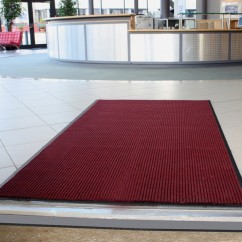
Ribbed mats use raised channels to brush debris from footwear and hold it within the mat structure. This makes them a strong choice for entrances that see frequent foot traffic and where the main issue is dry dirt, dust, and small stones.
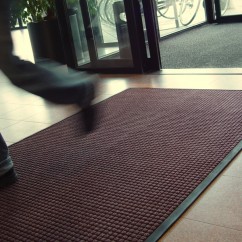
Patterned surfaces (such as waffle-style textures) increase the number of contact points between the mat and footwear. This improves wiping performance and helps capture fine debris. These mats are often chosen for entrances where conditions vary throughout the day.
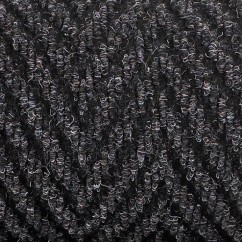
Where footfall is heavier, a more aggressive scraping surface can be useful. These mats are designed to remove stubborn debris from tread patterns and reduce the amount of grit that reaches interior floors.
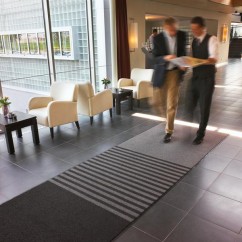
Some entrances benefit from a mat that performs multiple stages of cleaning in a single footprint. Multi-zone mats typically combine a scraper section, a wiping section, and a drying/finishing section to reduce tracking across a wider range of conditions.
A typical challenge for offices, clinics, and public buildings is the “dirty halo” that forms around the main entrance during peak arrival times. Even when floors are cleaned regularly, grit and fine dust can quickly reappear—especially in wet weather when debris sticks to footwear.
In a busy reception scenario, an effective approach is to place an indoor brushing and wiping mat immediately inside the door, sized so that most visitors take several steps across it. A ribbed or scraping surface helps remove grit from tread patterns, while a wiping texture captures finer particles. Where damp shoes are common, a multi-zone mat can add a final drying stage to reduce moisture transfer onto smooth interior floors.
The result is typically a cleaner-looking entrance area between cleaning cycles, less visible debris on adjacent flooring, and fewer instances of grit being carried deeper into corridors and lift lobbies.
Choosing the right indoor mat is mainly about matching the mat’s surface action (brushing, scraping, wiping, drying) to your entrance conditions and traffic level. Use the checklist below to narrow down the best fit.
For best results, place the mat where it will be walked on naturally—immediately inside the entrance, aligned with the direction of travel. As a practical rule, aim for enough mat length that most people take multiple steps across it. More steps generally means more contact time, which improves brushing and wiping performance.
Indoor entrance mats should sit flat and stable on the floor to reduce trip risk. If the surrounding floor is smooth (such as polished tile or sealed concrete), ensure the mat is appropriate for that environment and that it will not creep under repeated foot traffic. For transitions between different floor heights, consider whether edging or a recessed mat well is required.
Even the best entrance mat needs routine maintenance. A simple plan keeps performance consistent:
Surface texture is the “engine” of an indoor brushing and wiping mat. Here’s what the common textures in this category are designed to do:
These mats are most effective when used at the right transition points. Common placements include:
When comparing indoor entrance mats, it helps to evaluate a few practical details that affect day-to-day performance:
Indoor brushing and wiping mats are often one part of a broader entrance strategy. For best results, consider a simple “outside + inside” approach:
This staged approach reduces the load on any single mat and helps keep interior floors cleaner for longer.
Brushing mats focus on dislodging and capturing dry debris using ribbed or scraping textures. Absorbent entrance mats prioritise soaking up water from wet footwear. Many entrances need both functions, either via a multi-zone mat or by using separate mats in sequence.
Choose a length that encourages multiple steps across the mat so the surface can brush and wipe effectively. More contact time generally improves performance. In busy entrances, longer mats or multi-zone designs can help maintain results during peak foot traffic periods.
They can help by reducing the amount of grit and light moisture tracked onto smooth interior floors, which are common contributors to slips. For best results, ensure the mat lies flat, is appropriately sized, and is maintained so the surface continues to capture debris effectively.
Vacuum regularly to remove trapped dry debris and prevent it being re-tracked. Spot clean marks as needed, and schedule periodic deeper cleaning based on traffic levels. Keeping the surface clear helps the mat’s texture maintain contact with footwear and improves wiping performance.
Ribbed textures suit everyday grit control, waffle patterns improve wiping for mixed conditions, and chevron scraping can be useful for stubborn debris in higher traffic. Multi-zone mats combine stages for broader performance. The best choice depends on traffic, debris type, and moisture levels.
Indoor brushing and wiping mats are designed to sit just inside an entrance and reduce the amount of dry debris and light moisture carried into a building. By brushing grit from shoe treads and wiping fine particles from soles, these mats help protect interior flooring finishes, reduce the spread of dirt into corridors and reception areas, and support safer, cleaner walkways during day-to-day foot traffic.
This category focuses on indoor entrance mats that combine brushing (to dislodge debris) with wiping (to capture finer dirt and residual damp). They are commonly used at internal doorways, lobbies, vestibules, and transition points where people move from outdoor surfaces onto finished interior floors.
Indoor entrance mats are often described using terms like “scraper,” “wiper,” or “drying” mat. In practice, performance comes down to surface texture, fibre density, and how well the mat holds debris until it is cleaned. Use the guide below to match the mat type to your entrance conditions, then explore the product options listed on this page.
Ribbed mats use raised channels to brush debris from footwear and help hold it within the mat structure. This makes them a strong choice for entrances where the main issue is dry dirt, dust, and small stones. The ribbed profile also helps reduce the “grinding” effect that grit can have on interior floors.
Patterned surfaces (such as waffle-style textures) increase the number of contact points between the mat and footwear. This improves wiping performance and helps capture fine debris. These mats are often chosen for entrances where conditions vary throughout the day, including occasional damp shoes.
Where footfall is heavier, a more aggressive scraping surface can be useful. These mats are designed to remove stubborn debris from tread patterns and reduce the amount of grit that reaches interior floors. Directional textures can also help “comb” dirt away from the walking surface.
Some entrances benefit from a mat that performs multiple stages of cleaning in a single footprint. Multi-zone mats typically combine a scraper section, a wiping section, and a drying/finishing section. This can be helpful where you want broader performance without installing multiple separate mats.
In many offices, clinics, and public buildings, the entrance area is the first place that shows wear from tracked-in grit. During peak arrival times, fine debris can quickly spread from the doorway into reception walkways, and damp shoes can leave a thin film on smooth floors.
A practical improvement is to place an indoor brushing and wiping mat immediately inside the door, sized so most visitors take several steps across it. A ribbed or scraping texture helps remove grit from tread patterns, while a wiping surface captures finer particles. Where damp shoes are common, a multi-zone mat adds a finishing stage that reduces moisture transfer onto interior floors.
With the mat positioned correctly and maintained routinely, entrances typically look cleaner between cleaning cycles, and less debris is carried deeper into corridors and lift lobbies.
For best results, place the mat where it will be walked on naturally—immediately inside the entrance, aligned with the direction of travel. Aim for enough mat length that most people take multiple steps across it. More steps generally means more contact time, which improves brushing and wiping performance.
Indoor entrance mats should sit flat and stable to reduce trip risk. If the surrounding floor is smooth (such as polished tile or sealed concrete), ensure the mat is suitable for that environment and will not creep under repeated foot traffic. If trolleys, wheelchairs, or pushchairs pass through, a low-profile edge can improve access.
Entrance mats work best when they can hold debris until it is removed. A simple maintenance routine keeps performance consistent:
Surface texture is the “working face” of an indoor brushing and wiping mat. Each texture is designed to interact with footwear differently:
These mats are most effective when used at the right transition points. Common placements include:
When comparing indoor entrance mats, evaluate the details that affect day-to-day performance:
Indoor brushing and wiping mats are often one part of a broader entrance strategy. For best results, consider a simple staged approach:
This staged approach reduces the load on any single mat and helps keep interior floors cleaner for longer.
Brushing mats focus on dislodging and capturing dry debris using ribbed or scraping textures. Absorbent entrance mats prioritise soaking up water from wet footwear. Many entrances need both functions, either via a multi-zone mat or by using separate mats in sequence.
Choose a length that encourages multiple steps across the mat so the surface can brush and wipe effectively. More contact time generally improves performance. In busy entrances, longer mats or multi-zone designs can help maintain results during peak foot traffic periods.
They can help by reducing the amount of grit and light moisture tracked onto smooth interior floors, which are common contributors to slips. For best results, ensure the mat lies flat, is appropriately sized, and is maintained so the surface continues to capture debris effectively.
Vacuum regularly to remove trapped dry debris and prevent it being re-tracked. Spot clean marks as needed, and schedule periodic deeper cleaning based on traffic levels. Keeping the surface clear helps the mat’s texture maintain contact with footwear and improves wiping performance.
Ribbed textures suit everyday grit control, waffle patterns improve wiping for mixed conditions, and chevron scraping can be useful for stubborn debris in higher traffic. Multi-zone mats combine stages for broader performance. The best choice depends on traffic, debris type, and moisture levels.