033 3567 3567  sales@everymat.com

payments

My Cart:

0 item(s) £0.00
You have no items in your shopping cart.

Social Distancing Workplace Products

4 Item(s)

Grid  List 

Set Descending Direction

4 Item(s)

Grid  List 

Set Descending Direction


Social Distancing Workplace Products

Clear, consistent floor messaging helps customers and staff move through entrances, reception areas and queues safely and confidently. This category brings together practical, easy-to-deploy items that support safer footfall management: a high-visibility hazard floor tape for marking routes and boundaries, and purpose-made mats that communicate distancing guidance or support hygiene at the door.

On this page you’ll find four core products: Diamond Grip Tape Hazard, Sanibrush - Disinfect and clean footwear easily, 2m Social Distancing Floor Mat, and Keep Your Distance Mat. Together they cover the most common needs: marking hazards and walkways, reinforcing spacing guidance at key touchpoints, and reducing contamination tracked in on footwear.

Social Distancing Products — Helpful Guide

Different sites use different terms for similar solutions: “social distancing floor mats”, “queue management floor markers”, “hazard marking tape”, and “disinfectant entrance mats” are all common phrases used by specialist suppliers. For example, disinfectant entrance mats have features such as flexible scrapers/fingers, ramped edges, and wells designed to hold disinfectant solution for cleaning footwear at the point of entry.

1) Hazard marking & route definition (floor tape)

Best for: quick, low-cost visual control of walkways, exclusion zones, and hazard edges in warehouses, back-of-house corridors, loading bays, and facilities areas.

  • Diamond Grip Tape Hazard
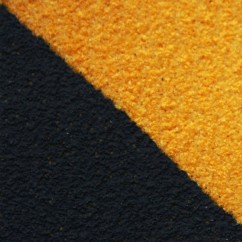
    A bold black/yellow striped tape designed to draw attention to hazards and boundaries. Use it to outline safe routes, mark pinch points, highlight changes in level, or create clear “keep clear” zones around doors, machinery or storage areas.

Practical tip: before applying any floor tape, thoroughly degrease and dry the surface. On textured floors, test a small section first to confirm adhesion and edge seal.

2) Social distancing message mats (entrance & queue points)

Best for: entrances, reception desks, tills, service counters, and lift lobbies—anywhere you want a clear reminder at the exact point people naturally pause.

  • 2m Social Distancing Floor Mat
    A printed floor mat that reinforces a 2m spacing message at the doorway or in a queue line. Ideal for retail, offices, clinics and public buildings where you want guidance that’s visible without adding wall signage.
  • Keep Your Distance Mat
    A clear “keep your distance” message mat for entrances and customer-facing areas. Use it as a simple, friendly prompt that supports orderly spacing and reduces bottlenecks.

Placement tip: position message mats where people naturally stop—just inside the entrance, at the start of a queue, or directly in front of a counter. If you’re managing a longer line, combine a message mat at the start with taped floor markers at regular intervals.

3) Footwear hygiene & contamination control (disinfectant mats)

Best for: food production, laboratories, healthcare back-of-house, clean areas, farms, and any workplace where reducing contamination tracked in on shoes/boots is important.

  • Sanibrush - Disinfect and clean footwear easily
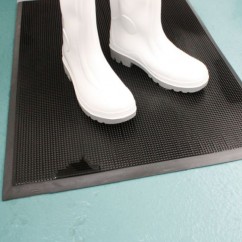
    A disinfectant entrance mat designed to help clean and sanitise footwear at the door. This style of mat commonly uses flexible scrapers/fingers and a design that helps retain disinfectant solution so soles and edges of footwear are contacted during use.

Operational tip: set a simple routine: top up solution at shift changes, and rinse/clean the mat on a schedule that matches your traffic levels. In higher-risk areas, pair a disinfectant mat with a sticky decontamination mat further inside to capture remaining debris.

Questions & Answers

Do I need a mat or tape for social distancing?

They solve different problems. Tape is ideal for creating routes, boundaries and repeated spacing markers along a queue. Message mats are best at key decision points (entrances, counters) where you want a clear reminder without installing permanent signage. Many sites use both: a message mat at the start, then tape markers along the line.

Where should I place a social distancing floor mat?

Place it where people naturally pause: just inside the entrance, at reception, at the start of a queue, or in front of a service counter. Avoid placing it where doors swing across it or where it could create a trip edge.

What’s the difference between a disinfectant mat and a standard entrance mat?

A standard entrance mat focuses on scraping and absorbing dirt/moisture. A disinfectant mat is designed to work with a disinfectant solution to help sanitise footwear at the point of entry. Disinfectant entrance mats have features such as wells to hold solution and flexible scrapers/fingers to contact the sole, plus ramped edges for easier access.

Will floor tape stick to any surface?

Adhesion depends on the floor material, texture and cleanliness. Smooth, sealed surfaces generally work best. For dusty, oily or rough floors, preparation is critical—clean, degrease and dry thoroughly, then test a small section before committing to a full layout.

Mini Case Study: A safer entrance and queue in one afternoon

Scenario: A busy reception area needed clearer spacing guidance and a safer route through a narrow corridor leading to a service desk.

  • Step 1: The team placed a 2m Social Distancing Floor Mat just inside the entrance to set expectations immediately.
  • Step 2: They used Diamond Grip Tape Hazard to define a one-way walking lane and highlight a tight corner where people tended to bunch up.
  • Step 3: At the counter, they added a second visual reminder using the Keep Your Distance Mat to reduce crowding at the service point.

Result: Visitors followed the route more naturally, staff spent less time verbally directing foot traffic, and the entrance looked more organised and professional.

How to choose the correct products

Start with the problem you’re solving

Consider traffic, footwear and environment

  • Traffic level: higher traffic typically benefits from larger, more visible messaging and more frequent maintenance (especially for disinfectant solutions).
  • Footwear type: boots with deeper tread may need more contact time on a disinfectant mat; encourage a slow step-and-twist motion where appropriate.
  • Indoor vs outdoor: for exposed entrances, ensure your solution and cleaning routine suit the temperature and weather conditions, and keep tape edges sealed to prevent lifting.

Build a simple, repeatable layout

A reliable approach is:

  • Entrance: one message mat to set expectations.
  • Queue line: tape markers or lane definition where needed.
  • Service point: a second message mat to prevent crowding.
  • Hygiene-critical areas: add a disinfectant mat at the threshold.

Maintenance & safety notes

  • Trip prevention: keep edges flat and replace any product that curls or lifts.
  • Cleaning: sweep/vacuum around mats and tape lines so messages remain visible.
  • Disinfectant handling: follow the disinfectant manufacturer’s dilution and safety guidance, and refresh solution as required by your site’s hygiene plan.

Need help specifying the right setup?

If you tell us your entrance type (single door, double door, revolving), approximate daily footfall, and whether you need route marking, queue spacing, or footwear hygiene control, we can help you choose the most effective combination from the products above.


Social Distancing Workplace Products: Practical Floor Guidance for Safer Footfall

Clear floor-level communication helps people move through entrances, reception areas, corridors and queues with fewer pinch points and less confusion. Social distancing and safety products are most effective when they are easy to notice, simple to understand at a glance, and positioned exactly where decisions are made (for example: at the threshold, at the start of a queue, or at a counter).

This category focuses on four practical tools that work well together in real workplaces:

Used thoughtfully, these products can support safer movement patterns, reduce crowding at bottlenecks, and help standardise how visitors and staff behave in shared spaces.

Social Distancing Products — Helpful Guide

Across workplaces, similar solutions are often described using different terms: “queue management floor markers”, “hazard floor marking tape”, “social distancing floor mats”, and “footwear sanitising/disinfectant entrance mats”. The goal is the same: provide consistent visual cues and hygiene controls at floor level, where people naturally look as they walk.

Type 1: Hazard marking & route definition (floor tape)

What it does: Creates clear boundaries and visual warnings on the floor. This is useful for marking hazards, defining walkways, separating pedestrian and trolley routes, and highlighting areas that should remain clear.

Product on this page:

  • Diamond Grip Tape Hazard
    A black/yellow striped hazard tape intended to draw attention to edges, pinch points and boundaries. It can also be used to create simple one-way lanes or “do not enter” zones where you need immediate visual clarity.

Where it’s commonly used: warehouse aisles, loading bays, back-of-house corridors, plant rooms, staff-only routes, and around equipment where you want a clear exclusion line.

Installation checklist:

  • Clean and degrease the floor thoroughly; dust and oil are the most common causes of early lifting.
  • Ensure the surface is fully dry before application.
  • On textured or porous floors, test a short strip first to confirm adhesion and edge seal.
  • Press down firmly along the full length, paying extra attention to edges and corners.

Layout tip: Keep markings consistent. If black/yellow indicates hazards, avoid using the same pattern for general guidance elsewhere. Consistency reduces hesitation and improves compliance.

Type 2: Social distancing message mats (entrance & queue points)

What they do: Provide a clear reminder at the exact point people pause—at the threshold, at the start of a queue, or in front of a counter. Message mats are especially useful when wall signage is missed or when you want guidance without adding more posters.

Products on this page:

  • 2m Social Distancing Floor Mat
    A printed mat designed to reinforce a 2m spacing message. It works well at entrances, reception desks, and queue starts where you want expectations set immediately.
  • Keep Your Distance Mat
    A direct “keep your distance” message mat suited to service points, tills, and areas where people naturally gather while waiting to be served.

Placement guidance:

  • Entrance: place the mat just inside the door so it’s seen after the threshold (and not exposed to door swing or weather).
  • Queue start: position the mat where the line begins, then use tape markers further along if you need repeated spacing cues.
  • Service point: place a message mat where the next person waits, leaving a clear working zone for staff.

Accessibility and safety: Ensure the mat lies flat and does not create a trip edge. If the area is used by wheelchairs, pushchairs or trolleys, keep approaches clear and avoid placing mats where they could bunch up.

Type 3: Footwear hygiene & contamination control (disinfectant entrance mats)

What they do: Support hygiene by helping to clean and sanitise footwear at the point of entry. Disinfectant entrance mats are commonly designed to retain disinfectant solution and increase contact with the sole during use. Many designs use flexible “fingers” or scrapers and include ramped edges to make stepping on and off easier.

Product on this page:

  • Sanibrush - Disinfect and clean footwear easily
    A disinfectant mat intended to help clean footwear as people enter a controlled area. This type of mat is typically used where reducing contamination tracked in on shoes/boots is part of the site’s hygiene plan.

Where it’s commonly used: food production and preparation areas, laboratories, healthcare back-of-house, farms, and workplaces with controlled hygiene zones.

Using a disinfectant mat effectively:

  • Follow the disinfectant manufacturer’s dilution and contact-time guidance.
  • Encourage a deliberate step (and, where appropriate, a gentle twist) to improve sole contact.
  • Refresh solution on a schedule that matches traffic levels (often at shift changes).
  • Rinse and clean the mat regularly so debris does not reduce effectiveness.

Case Study: Improving flow at a busy entrance and counter

Scenario: A reception area experienced crowding at peak times, with visitors clustering near the counter and staff frequently needing to direct people verbally.

Approach:

  • Set expectations at the door: A 2m Social Distancing Floor Mat was placed just inside the entrance so visitors saw guidance immediately.
  • Define the route: Diamond Grip Tape Hazard was used to outline a clear walking lane and highlight a narrow corner where people tended to bunch up.
  • Control the service point: A Keep Your Distance Mat was positioned to indicate where the next person should wait while leaving staff a clear working zone.

Outcome: Visitors queued more consistently, the counter area stayed clearer, and staff spent less time managing footfall verbally. The overall layout looked more organised and easier to follow.

How to Choose the Correct Social Distancing & Safety Products

1) Start with the risk you’re managing

  • Trip, collision or pinch-point risk: use high-visibility hazard tape to mark edges, corners and exclusion zones.
  • Queue crowding risk: use message mats at the start of the queue and at the service point; add tape markers if the queue is long or changes shape.
  • Contamination control risk: use a disinfectant mat at the threshold of the controlled area and maintain it as part of routine cleaning.

2) Match the solution to the surface and environment

  • Floor condition: tape performs best on clean, sealed surfaces. Rough, dusty or oily floors require extra preparation and testing.
  • Moisture: entrances can be wet in bad weather; keep messaging visible by cleaning regularly and ensuring mats are not saturated or covered in debris.
  • Temperature and exposure: if an area is exposed to cold or direct weather, check that your cleaning routine and disinfectant choice remain suitable.

3) Design for real behaviour (not ideal behaviour)

People follow cues that are:

  • Placed where decisions happen (doorways, queue starts, counters).
  • Repeated at the right frequency (long queues often need more than one reminder).
  • Consistent (avoid mixing too many different messages and colours in one small area).

A simple, repeatable layout that works in many sites is:

  • Entrance: one message mat to set expectations.
  • Queue line: tape markers or lane definition where needed.
  • Service point: a second message mat to prevent crowding.
  • Controlled hygiene zone: a disinfectant mat at the threshold, maintained on a schedule.

Maintenance, Cleaning & Safety Notes

  • Keep edges flat: replace any mat that curls or any tape that lifts at the corners to reduce trip risk.
  • Keep messages visible: vacuum/sweep regularly so printed guidance and tape lines remain easy to read.
  • Plan for peak traffic: higher footfall usually means more frequent cleaning and (for disinfectant mats) more frequent solution refresh.
  • Use disinfectants safely: follow the disinfectant manufacturer’s instructions for dilution, handling and disposal.

Social Distancing Products: Common Questions

Should I use floor tape or a social distancing mat?

They serve different purposes. Tape is best for defining routes, boundaries, and repeated spacing markers along a queue. Message mats work best at key pause points like entrances and counters. Many sites combine both: a mat to set expectations, then tape to guide movement.

Where is the best place to put a “keep your distance” mat?

Place it where people naturally stop: just inside an entrance, at the start of a queue, or directly in front of a counter. Avoid placing it where doors swing across it or where it could create a trip edge or interfere with wheelchair access.

How does a disinfectant entrance mat work for footwear hygiene?

Disinfectant mats are designed to retain a disinfectant solution and increase contact with the sole as people step on them. Many designs use flexible fingers or scrapers and may include ramped edges for easier access. Effectiveness depends on correct dilution, contact time, and regular cleaning.

Will hazard floor tape stick to any floor surface?

Adhesion depends on the floor material, texture, and cleanliness. Smooth, sealed surfaces typically provide the best bond. Dust, oil, and moisture can cause early lifting. Clean and degrease thoroughly, let the surface dry, and test a small section first on rough floors.

How often should I maintain social distancing and hygiene floor products?

Check mats and tape daily in busy areas. Clean mats so messages remain visible and edges stay flat. For disinfectant mats, refresh solution based on traffic and your hygiene plan, often at shift changes. Replace any product that becomes damaged or creates a trip risk.

Accept Cookies