Everymat
033 3567 3567 sales@everymat.com

My Cart:
0 item(s) £0.00
You have no items in your shopping cart.
Shop By
Shopping Options
- Price
-
- £20.00 - £29.99 (1)
- £50.00 - £59.99 (2)
- £60.00 and above (1)
My Cart
You have no items in your shopping cart.
Compare Products
You have no items to compare.
Roll-out Duckboards and Matting

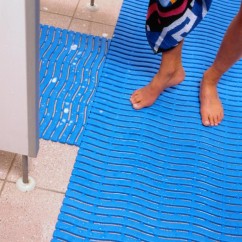
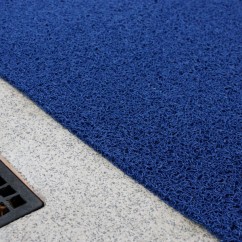
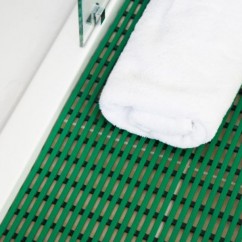
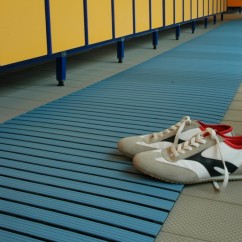
How to Choose the Right Duckboard Matting for Your Poolside or Changing Room
When it comes to poolside and changing room safety, choosing the right duckboard matting is crucial. Not only does it prevent slips and falls, but it also provides a comfortable surface for bare feet. But with so many options available, how do you choose the perfect matting? This guide will help you make an informed decision. Consider the Material.
The material of your duckboard matting is an important factor to consider when choosing the right one for your poolside and changing room. Look for materials that are slip-resistant, durable, and easy to clean. Some popular options include PVC, rubber, and wood. PVC and rubber are great for high-traffic areas as they are easy to clean and maintain. Wood is a more natural option that can add a touch of warmth and style to your space, but it requires more maintenance and may not be as slip-resistant as PVC or rubber.
Look for Slip-Resistance.
When choosing duckboard matting for your poolside and changing room, slip-resistance should be a top priority. Look for materials that have a textured surface or raised patterns that provide traction and prevent slips and falls. PVC and rubber are great options for slip-resistance as they have a naturally non-slip surface. Wood can also be slip-resistant if it is treated with a non-slip coating or has a textured surface. Make sure to test the slip-resistance of your chosen matting before installing it to ensure the safety of your guests and staff.
Choose the Right Size and Shape.
In addition to slip-resistance, it’s important to choose the right size and shape of duckboard matting for your poolside and changing room. Consider the layout of your space and the areas that need coverage. You may need to cut and customize the matting to fit around corners or obstacles. It’s also important to choose a size that is easy to clean and maintain. Larger mats may be more difficult to handle and clean, while smaller mats may not provide enough coverage. Take measurements and consider the practicality of different sizes and shapes before making your final decision.
Consider Maintenance and Durability.
When choosing duckboard matting for your poolside and changing room, it’s important to consider the maintenance and durability of the material. Look for matting that is easy to clean and resistant to mold and mildew. You may also want to choose a material that is UV-resistant to prevent fading and discoloration from sun exposure. Additionally, consider the durability of the matting and how it will hold up over time with heavy foot traffic and exposure to water and chemicals. Investing in high-quality, durable matting can save you money in the long run by reducing the need for frequent replacements.
Think About Aesthetics and Colours that match your Branding.
While safety and durability are important factors to consider when choosing duckboard matting for your poolside and changing room, it’s also important to think about aesthetics. Choose matting that matches your branding and complements the overall look and feel of your facility. Consider the colors and patterns of the matting and how they will blend with the surrounding decor. This can help create a cohesive and professional look for your facility.
When it comes to poolside and changing room safety, choosing the right duckboard matting is crucial. Not only does it prevent slips and falls, but it also provides a comfortable surface for bare feet. But with so many options available, how do you choose the perfect matting? This guide will help you make an informed decision. Consider the Material.
The material of your duckboard matting is an important factor to consider when choosing the right one for your poolside and changing room. Look for materials that are slip-resistant, durable, and easy to clean. Some popular options include PVC, rubber, and wood. PVC and rubber are great for high-traffic areas as they are easy to clean and maintain. Wood is a more natural option that can add a touch of warmth and style to your space, but it requires more maintenance and may not be as slip-resistant as PVC or rubber.
Look for Slip-Resistance.
When choosing duckboard matting for your poolside and changing room, slip-resistance should be a top priority. Look for materials that have a textured surface or raised patterns that provide traction and prevent slips and falls. PVC and rubber are great options for slip-resistance as they have a naturally non-slip surface. Wood can also be slip-resistant if it is treated with a non-slip coating or has a textured surface. Make sure to test the slip-resistance of your chosen matting before installing it to ensure the safety of your guests and staff.
Choose the Right Size and Shape.
In addition to slip-resistance, it’s important to choose the right size and shape of duckboard matting for your poolside and changing room. Consider the layout of your space and the areas that need coverage. You may need to cut and customize the matting to fit around corners or obstacles. It’s also important to choose a size that is easy to clean and maintain. Larger mats may be more difficult to handle and clean, while smaller mats may not provide enough coverage. Take measurements and consider the practicality of different sizes and shapes before making your final decision.
Consider Maintenance and Durability.
When choosing duckboard matting for your poolside and changing room, it’s important to consider the maintenance and durability of the material. Look for matting that is easy to clean and resistant to mold and mildew. You may also want to choose a material that is UV-resistant to prevent fading and discoloration from sun exposure. Additionally, consider the durability of the matting and how it will hold up over time with heavy foot traffic and exposure to water and chemicals. Investing in high-quality, durable matting can save you money in the long run by reducing the need for frequent replacements.
Think About Aesthetics and Colours that match your Branding.
While safety and durability are important factors to consider when choosing duckboard matting for your poolside and changing room, it’s also important to think about aesthetics. Choose matting that matches your branding and complements the overall look and feel of your facility. Consider the colors and patterns of the matting and how they will blend with the surrounding decor. This can help create a cohesive and professional look for your facility.
