033 3567 3567  sales@everymat.com

payments

My Cart:

0 item(s) £0.00
You have no items in your shopping cart.

Decontamination Sticky Mats

2 Item(s)

Grid  List 

Set Descending Direction

2 Item(s)

Grid  List 

Set Descending Direction


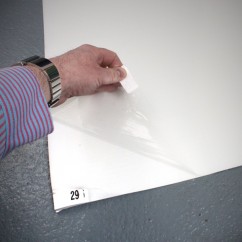
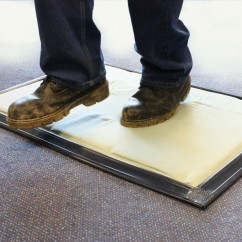
Decontamination sticky mats (often called tacky mats, peel-off adhesive mats, or cleanroom entrance mats) are designed to reduce tracked-in particulate by capturing dust and debris from footwear and wheeled traffic at controlled-area thresholds. They are commonly positioned at entrances to cleanrooms, laboratories, electronics assembly areas, pharmacies, and refurbishment or construction zones where fine dust is a concern. These mats work by presenting a lightly adhesive top surface that lifts loose particles from soles and wheels; when the surface becomes loaded, the top sheet is peeled away to reveal a fresh layer underneath.

Decontamination Sticky Mats — Helpful Guide

Sticky mats are a simple, process-friendly way to support contamination control at transition points. Unlike traditional entrance mats that rely on scraping or absorbency, tacky mats use a multi-layer adhesive film to pick up fine, dry particles. They are especially useful where you want a predictable, repeatable routine: step (or roll) across, inspect, peel when needed, and continue.

On this page you’ll find two decontamination sticky mat options:

  • Sticky Step Plastic – A peel-off, multi-layer tacky mat format suited to controlled entrances where shoes and trolley wheels can carry dust and grit. The disposable layer system makes it quick to refresh the working surface without wet cleaning.
  • Sticky Step Textile – A textile-style decontamination mat option intended for similar entrance control needs, offering a different surface feel and use-case fit depending on traffic type, footwear, and housekeeping routines.

How tacky mats work (and what they do best)

A tacky mat is typically a stack of thin sheets with a light adhesive coating on the top face. As people walk across—or as carts roll over—the adhesive grabs loose dust, lint, and small particles from soles and wheels. When the top layer becomes visibly dirty or less effective, it is peeled off to expose a clean layer beneath, restoring performance immediately. This “many clean surfaces in one mat” approach supports consistent housekeeping and reduces downtime.

Sticky mats are most effective for dry, loose particulate. They are not a substitute for full cleanroom protocols and they do not sterilize; instead, they help reduce the amount of contamination physically carried in on contact surfaces.

Where decontamination sticky mats are commonly used

  • Cleanrooms and controlled manufacturing: Helps reduce particulate transfer at gowning rooms, airlock entrances, and controlled corridors.
  • Laboratories and healthcare support areas: Useful at thresholds where dust control matters and wet cleaning is inconvenient between traffic cycles.
  • Electronics and precision assembly: Supports particulate reduction where small debris can affect sensitive components.
  • Construction, refurbishment, and fit-out: Helps limit dust migration from work zones into occupied areas, especially when paired with good site segregation and cleaning routines.
  • Warehousing and packaging: Can be used at entrances to cleaner packing zones to reduce tracked-in debris from general floor areas.

Types of sticky mats and how to match them to your entrance

Although all tacky mats share the same basic principle—adhesive capture plus peel-off renewal—there are practical differences in surface type and how they integrate into a workflow. The two products on this page cover the most common approaches.

1) Peel-off film tacky mats (plastic surface)

Sticky Step Plastic represents the classic peel-off adhesive mat format used at controlled entrances. This style is typically chosen when you want a smooth, consistent adhesive surface that is easy to inspect visually. It is well suited to:

  • Foot traffic where soles carry fine dust or grit
  • Light to moderate wheeled traffic (trolleys, carts) where wheels can pick up debris
  • Areas where quick layer changes are preferred over cleaning and drying time

Operational tip: place the mat so users take at least a couple of steps on it (or wheels make at least one full rotation) before crossing into the controlled area. This increases contact time and improves particle pickup.

2) Textile-style decontamination mats

Sticky Step Textile offers a textile-style surface option for decontamination entrances. Textile-style mats can be selected when you want a different underfoot feel or when your entrance routine benefits from a surface that behaves differently with certain footwear patterns. This can be helpful in mixed-use thresholds where staff comfort, traction feel, or specific housekeeping preferences influence the choice.

Case study: reducing tracked-in dust at a controlled doorway

Scenario: A facility has a controlled room where fine dust must be minimized. Staff and small carts move between a general corridor and the controlled space. Despite regular sweeping, dust is still observed near the doorway and along the first few metres inside the room.

Approach: A decontamination sticky mat is installed directly before the controlled-room threshold. The team sets a simple routine: everyone steps across the mat on entry; carts roll across at walking pace; the top layer is peeled when it becomes visibly loaded or at a scheduled interval during busy periods.

Outcome: The doorway area stays cleaner between scheduled cleans because loose particulate is captured at the transition point rather than being carried inside. The peel-off system reduces the need for frequent wet cleaning at the entrance, helping maintain a consistent workflow.

Key learning: Sticky mats work best when they are treated as part of a broader contamination-control process: good housekeeping upstream, clear entry behaviour, and a defined change/peel routine.

How to choose the correct decontamination sticky mat

Use the checklist below to select the most suitable option for your entrance and traffic pattern.

Step 1: Define the contamination you’re trying to control

  • Dry dust, lint, and fine debris: Sticky mats are well suited to capturing loose particulate from soles and wheels.
  • Wet contamination or oils: Adhesive mats are generally less effective when surfaces are wet or oily; consider upstream cleaning and drying controls before relying on tacky capture.
  • Embedded grit: If debris is pressed into deep tread, pair the sticky mat with upstream scraping/brushing zones so the tacky layer can capture what’s left.

Step 2: Map traffic type and intensity

  • Foot traffic only: Either surface type can work; focus on placement and step count across the mat.
  • Wheeled traffic: Ensure the mat is positioned so wheels roll fully across it. For frequent cart movement, plan for more frequent layer changes.
  • High throughput: Choose a routine that includes visual checks and scheduled peel intervals to keep performance consistent.

Step 3: Confirm placement and floor conditions

  • Flat, clean substrate: Sticky mats adhere and sit best on smooth, clean floors. Remove dust from the floor before installation so the mat can lie flat.
  • Door swing and clearance: Ensure the mat does not interfere with doors and that edges are not in a position where they can be lifted by traffic.
  • Transition design: Place the mat at the last point before entry to the controlled area so it captures contamination immediately before crossing the threshold.

Step 4: Decide how you will maintain it

The advantage of peel-off mats is speed: you refresh the surface by removing a sheet rather than cleaning and waiting for drying. To get the most from this, define a simple maintenance rule:

  • Peel when the surface is visibly loaded, when pickup performance drops, or at a set time interval during busy shifts.
  • Dispose of removed sheets promptly to avoid reintroducing captured debris.
  • Keep spare mats or replacement stacks available so the entrance routine is never interrupted.

Installation and best-practice use

Correct installation and user behaviour make a noticeable difference to results. The goal is consistent contact between the tacky surface and the contamination source (soles/wheels).

Placement tips

  • Put the mat where everyone must pass: Avoid placing it off to one side where traffic can bypass it.
  • Encourage multiple contacts: A couple of steps across the mat improves pickup compared with a single step on/off.
  • Use signage if needed: Simple reminders help standardize behaviour in shared facilities.

Using sticky mats with carts and trolleys

Wheels can carry fine debris into controlled areas just as easily as shoes. For wheeled traffic:

  • Roll across at a steady walking pace so the adhesive has time to contact the wheel surface.
  • Ensure the mat length allows at least one full wheel rotation while on the tacky surface.
  • Inspect more frequently in high cart-traffic areas; wheels can load the surface quickly.

Common mistakes to avoid

  • Leaving a loaded layer in place too long: Once the surface is saturated with debris, pickup drops and contamination can be carried onward.
  • Installing on dusty floors: Dust under the mat can reduce adhesion and create edge lift.
  • Using as the only control: Sticky mats support contamination control but do not replace cleaning, gowning, or other protocols where required.
  • Expecting sterilization: Adhesive capture removes particles; it does not disinfect.

Performance expectations and limitations

Decontamination sticky mats are designed for particulate control at entrances. They are particularly effective for loose, dry debris such as dust and lint. They are less effective when contamination is wet, oily, or embedded deeply into tread patterns. In those cases, consider upstream measures (scraping, brushing, cleaning, or drying) so the tacky surface can do its job on the remaining loose particles.

Frequently asked questions (Q&A)

What is a decontamination sticky mat and what does it remove?

A decontamination sticky mat is a multi-layer floor mat with a lightly adhesive top sheet. As people or carts pass over it, the surface lifts loose dust, lint, and small debris from shoe soles and wheels. It targets dry particulate rather than liquids.

How often should I peel off a layer?

Peel a layer when it looks visibly dirty, when you notice reduced pickup, or on a scheduled interval during busy periods. High traffic and wheeled carts load the surface faster. Regular checks at shift changes help keep performance consistent and predictable.

Where should sticky mats be placed for best results?

Place the mat immediately before the controlled-area threshold so it captures contamination right before entry. Position it where traffic cannot bypass it, and allow enough length for at least two steps. For carts, aim for at least one full wheel rotation.

Do sticky mats work in wet or oily conditions?

They work best on dry contamination. Water, oils, and heavy residues can reduce adhesive effectiveness and may cause faster loading. If your entrance is frequently wet, use upstream drying and cleaning controls first, then use a sticky mat for remaining dry particulate.

Are sticky mats a replacement for cleanroom cleaning or gowning procedures?

No. Sticky mats help reduce tracked-in particles, but they do not sterilize and should not replace required protocols such as gowning, airlocks, or scheduled cleaning. They are most effective as one layer in a broader contamination-control plan.


Decontamination sticky mats (often called tacky mats, peel-off adhesive mats, or cleanroom entrance mats) are designed to reduce tracked-in particulate by capturing dust and debris from footwear and wheeled traffic at controlled-area thresholds. They are commonly positioned at entrances to cleanrooms, laboratories, electronics assembly areas, pharmacies, and refurbishment or construction zones where fine dust is a concern. These mats work by presenting a lightly adhesive top surface that lifts loose particles from soles and wheels; when the surface becomes loaded, the top sheet is peeled away to reveal a fresh layer underneath.

Decontamination Sticky Mats — Helpful Guide

Sticky mats are a simple, process-friendly way to support contamination control at transition points. Unlike traditional entrance mats that rely on scraping or absorbency, tacky mats use a multi-layer adhesive film to pick up fine, dry particles. They are especially useful where you want a predictable, repeatable routine: step (or roll) across, inspect, peel when needed, and continue.

On this page you’ll find two decontamination sticky mat options:

  • Sticky Step Plastic – A peel-off, multi-layer tacky mat format suited to controlled entrances where shoes and trolley wheels can carry dust and grit. The disposable layer system makes it quick to refresh the working surface without wet cleaning.
  • Sticky Step Textile – A textile-style decontamination mat option intended for similar entrance control needs, offering a different surface feel and use-case fit depending on traffic type, footwear, and housekeeping routines.

How tacky mats work (and what they do best)

A tacky mat is typically a stack of thin sheets with a light adhesive coating on the top face. As people walk across—or as carts roll over—the adhesive grabs loose dust, lint, and small particles from soles and wheels. When the top layer becomes visibly dirty or less effective, it is peeled off to expose a clean layer beneath, restoring performance immediately. This “many clean surfaces in one mat” approach supports consistent housekeeping and reduces downtime.

Sticky mats are most effective for dry, loose particulate. They are not a substitute for full cleanroom protocols and they do not sterilize; instead, they help reduce the amount of contamination physically carried in on contact surfaces.

Where decontamination sticky mats are commonly used

  • Cleanrooms and controlled manufacturing: Helps reduce particulate transfer at gowning rooms, airlock entrances, and controlled corridors.
  • Laboratories and healthcare support areas: Useful at thresholds where dust control matters and wet cleaning is inconvenient between traffic cycles.
  • Electronics and precision assembly: Supports particulate reduction where small debris can affect sensitive components.
  • Construction, refurbishment, and fit-out: Helps limit dust migration from work zones into occupied areas, especially when paired with good site segregation and cleaning routines.
  • Warehousing and packaging: Can be used at entrances to cleaner packing zones to reduce tracked-in debris from general floor areas.

Types of sticky mats and how to match them to your entrance

Although all tacky mats share the same basic principle—adhesive capture plus peel-off renewal—there are practical differences in surface type and how they integrate into a workflow. The two products on this page cover the most common approaches.

1) Peel-off film tacky mats (plastic surface)

Sticky Step Plastic represents the classic peel-off adhesive mat format used at controlled entrances. This style is typically chosen when you want a smooth, consistent adhesive surface that is easy to inspect visually. It is well suited to:

  • Foot traffic where soles carry fine dust or grit
  • Light to moderate wheeled traffic (trolleys, carts) where wheels can pick up debris
  • Areas where quick layer changes are preferred over cleaning and drying time

Operational tip: place the mat so users take at least a couple of steps on it (or wheels make at least one full rotation) before crossing into the controlled area. This increases contact time and improves particle pickup.

2) Textile-style decontamination mats

Sticky Step Textile offers a textile-style surface option for decontamination entrances. Textile-style mats can be selected when you want a different underfoot feel or when your entrance routine benefits from a surface that behaves differently with certain footwear patterns. This can be helpful in mixed-use thresholds where staff comfort, traction feel, or specific housekeeping preferences influence the choice.

Case study: reducing tracked-in dust at a controlled doorway

Scenario: A facility has a controlled room where fine dust must be minimized. Staff and small carts move between a general corridor and the controlled space. Despite regular sweeping, dust is still observed near the doorway and along the first few metres inside the room.

Approach: A decontamination sticky mat is installed directly before the controlled-room threshold. The team sets a simple routine: everyone steps across the mat on entry; carts roll across at walking pace; the top layer is peeled when it becomes visibly loaded or at a scheduled interval during busy periods.

Outcome: The doorway area stays cleaner between scheduled cleans because loose particulate is captured at the transition point rather than being carried inside. The peel-off system reduces the need for frequent wet cleaning at the entrance, helping maintain a consistent workflow.

Key learning: Sticky mats work best when they are treated as part of a broader contamination-control process: good housekeeping upstream, clear entry behaviour, and a defined change/peel routine.

How to choose the correct decontamination sticky mat

Use the checklist below to select the most suitable option for your entrance and traffic pattern.

Step 1: Define the contamination you’re trying to control

  • Dry dust, lint, and fine debris: Sticky mats are well suited to capturing loose particulate from soles and wheels.
  • Wet contamination or oils: Adhesive mats are generally less effective when surfaces are wet or oily; consider upstream cleaning and drying controls before relying on tacky capture.
  • Embedded grit: If debris is pressed into deep tread, pair the sticky mat with upstream scraping/brushing zones so the tacky layer can capture what’s left.

Step 2: Map traffic type and intensity

  • Foot traffic only: Either surface type can work; focus on placement and step count across the mat.
  • Wheeled traffic: Ensure the mat is positioned so wheels roll fully across it. For frequent cart movement, plan for more frequent layer changes.
  • High throughput: Choose a routine that includes visual checks and scheduled peel intervals to keep performance consistent.

Step 3: Confirm placement and floor conditions

  • Flat, clean substrate: Sticky mats adhere and sit best on smooth, clean floors. Remove dust from the floor before installation so the mat can lie flat.
  • Door swing and clearance: Ensure the mat does not interfere with doors and that edges are not in a position where they can be lifted by traffic.
  • Transition design: Place the mat at the last point before entry to the controlled area so it captures contamination immediately before crossing the threshold.

Step 4: Decide how you will maintain it

The advantage of peel-off mats is speed: you refresh the surface by removing a sheet rather than cleaning and waiting for drying. To get the most from this, define a simple maintenance rule:

  • Peel when the surface is visibly loaded, when pickup performance drops, or at a set time interval during busy shifts.
  • Dispose of removed sheets promptly to avoid reintroducing captured debris.
  • Keep spare mats or replacement stacks available so the entrance routine is never interrupted.

Installation and best-practice use

Correct installation and user behaviour make a noticeable difference to results. The goal is consistent contact between the tacky surface and the contamination source (soles/wheels).

Placement tips

  • Put the mat where everyone must pass: Avoid placing it off to one side where traffic can bypass it.
  • Encourage multiple contacts: A couple of steps across the mat improves pickup compared with a single step on/off.
  • Use signage if needed: Simple reminders help standardize behaviour in shared facilities.

Using sticky mats with carts and trolleys

Wheels can carry fine debris into controlled areas just as easily as shoes. For wheeled traffic:

  • Roll across at a steady walking pace so the adhesive has time to contact the wheel surface.
  • Ensure the mat length allows at least one full wheel rotation while on the tacky surface.
  • Inspect more frequently in high cart-traffic areas; wheels can load the surface quickly.

Common mistakes to avoid

  • Leaving a loaded layer in place too long: Once the surface is saturated with debris, pickup drops and contamination can be carried onward.
  • Installing on dusty floors: Dust under the mat can reduce adhesion and create edge lift.
  • Using as the only control: Sticky mats support contamination control but do not replace cleaning, gowning, or other protocols where required.
  • Expecting sterilization: Adhesive capture removes particles; it does not disinfect.

Performance expectations and limitations

Decontamination sticky mats are designed for particulate control at entrances. They are particularly effective for loose, dry debris such as dust and lint. They are less effective when contamination is wet, oily, or embedded deeply into tread patterns. In those cases, consider upstream measures (scraping, brushing, cleaning, or drying) so the tacky surface can do its job on the remaining loose particles.

Frequently asked questions (Q&A)

What is a decontamination sticky mat and what does it remove?

A decontamination sticky mat is a multi-layer floor mat with a lightly adhesive top sheet. As people or carts pass over it, the surface lifts loose dust, lint, and small debris from shoe soles and wheels. It targets dry particulate rather than liquids.

How often should I peel off a layer?

Peel a layer when it looks visibly dirty, when you notice reduced pickup, or on a scheduled interval during busy periods. High traffic and wheeled carts load the surface faster. Regular checks at shift changes help keep performance consistent and predictable.

Where should sticky mats be placed for best results?

Place the mat immediately before the controlled-area threshold so it captures contamination right before entry. Position it where traffic cannot bypass it, and allow enough length for at least two steps. For carts, aim for at least one full wheel rotation.

Do sticky mats work in wet or oily conditions?

They work best on dry contamination. Water, oils, and heavy residues can reduce adhesive effectiveness and may cause faster loading. If your entrance is frequently wet, use upstream drying and cleaning controls first, then use a sticky mat for remaining dry particulate.

Are sticky mats a replacement for cleanroom cleaning or gowning procedures?

No. Sticky mats help reduce tracked-in particles, but they do not sterilize and should not replace required protocols such as gowning, airlocks, or scheduled cleaning. They are most effective as one layer in a broader contamination-control plan.

Accept Cookies